Blog | Verified BM Buy – Trusted Insights on FB & WhatsApp
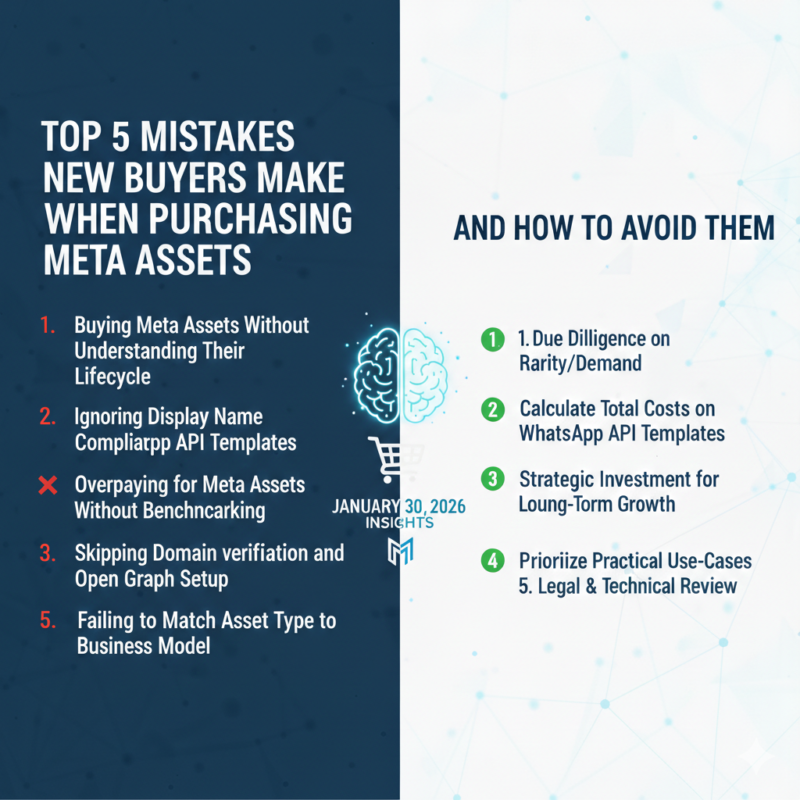
5 Mistakes New Buyers Make When Purchasing Meta Assets


🌐 Introduction: Why Meta Assets Matter More Than Ever
In today’s digital-first economy, verified meta assets—such as Facebook Business Managers (BM), WhatsApp API templates, aged ad accounts, and domain-linked pages—are essential for building trust, scaling outreach, and automating workflows. Whether you’re launching a digital storefront, running ads, or managing multiple brands, owning the right assets can fast-track your legitimacy and conversions.
But many new buyers rush into purchases without understanding the risks. From mismatched assets to compliance failures, these mistakes can cost you time, money, and reputation.
In this guide, we’ll break down the top five mistakes new buyers make when purchasing meta assets—and show you how to avoid them like a seasoned pro.
❌ Mistake #1: Buying Meta Assets Without Understanding Their Lifecycle
What Goes Wrong:
New buyers often treat meta assets like plug-and-play tools. They purchase a verified BM or ad account expecting instant results, but overlook the asset’s lifecycle—how it was created, warmed up, and used.
For example, a BM verified with a dormant domain and no ad history might seem “clean,” but it’s also cold. Meta favors active, consistent usage. Launching aggressive campaigns on a cold asset can trigger review flags or disablement.
How to Avoid It:
- ✅ Ask for asset history: creation date, domain linkage, ad spend, and usage patterns.
- ✅ Request screenshots: Business Settings, Payment Settings, and Ad Account status.
- ✅ Warm up assets: Run low-budget engagement ads, verify domains, and build trust signals before scaling.
❌ Mistake #2: Ignoring Display Name Compliance on WhatsApp API Templates
What Goes Wrong:
You’ve set up WhatsApp Business API and submitted templates. But your display name gets rejected—or your template approval stalls for days.
Meta enforces strict naming conventions. If your display name doesn’t match your domain, legal entity, or branding, it’s flagged. Many buyers assume they can use any catchy name, not realizing display name approval is one of the most sensitive compliance steps.
How to Avoid It:
- ✅ Match display name to your verified domain or business name.
- ✅ Use a verified email domain (not Gmail or generic addresses).
- ✅ Follow Meta’s Display Name Guidelines: avoid emojis, all caps, or vague terms like “Support.”
SEO Keywords: WhatsApp API display name, template approval, Meta compliance, WhatsApp Business verification
❌ Mistake #3: Overpaying for Meta Assets Without Benchmarking
What Goes Wrong:
You find a seller offering a verified BM with ad account for $500 and buy it immediately. Later, you discover similar assets selling for $150–$250 with better history and cleaner compliance.
New buyers often fall for inflated pricing due to urgency or lack of market knowledge. They don’t benchmark across Telegram groups, Discord marketplaces, or asset forums.
How to Avoid It:
- ✅ Benchmark prices across multiple platforms before buying.
- ✅ Use escrow or middleman services to protect your transaction.
- ✅ Negotiate smartly: ask for bundled deals (BM + ad account + domain verification).
SEO Keywords: meta asset pricing, verified BM cost, ad account marketplace, asset benchmarking
❌ Mistake #4: Skipping Domain Verification and Open Graph Setup
What Goes Wrong:
You link your website to a verified BM and launch ads. But your previews on Facebook or WhatsApp look broken—no image, no title, no branding. Worse, Meta flags your domain as suspicious.
Why? Because you skipped domain verification and Open Graph (OG) setup. Meta uses OG tags to render previews and verify legitimacy. Without them, your brand looks amateur—and your asset risks rejection.
How to Avoid It:
- ✅ Verify your domain in Meta Business Settings using DNS or an HTML file.
- ✅ Set up OG tags: use plugins like Yoast (WordPress) or manual code.
- ✅ Test previews using Meta’s Sharing Debugger.
SEO Keywords: domain verification, Open Graph tags, Facebook link preview, OG setup for meta assets
❌ Mistake #5: Failing to Match Asset Type to Business Model
What Goes Wrong:
You’re running a storefront selling verified badges, but buy a BM linked to a clothing brand. Or you launch a motivational video channel using an ad account tied to a crypto page.
Mismatch alert. Meta tracks asset relevance. If your ad account history doesn’t align with your business model, your ads may get limited reach—or flagged for review.
How to Avoid It:
- ✅ Buy niche-aligned assets: branding pages for design, product pages for e-commerce, etc.
- ✅ Check page category and ad history before purchase.
- ✅ Rebrand gradually: update page name, content, and run relevant ads to warm up.
SEO Keywords: meta asset alignment, business model matching, ad account relevance, niche-specific BM
🧠 Bonus Tips for Smart Meta Asset Buying
- ✅ Use sandbox environments to test assets before going live.
- ✅ Document everything: screenshots, seller chats, credentials.
- ✅ Stay updated on Meta’s evolving policies via forums and developer blogs.
SEO Keywords: meta asset sandbox, asset documentation, Meta policy updates, verified asset buying tips
🏁 Conclusion: Buy Smart, Scale Fast
Purchasing meta assets isn’t just a transaction—it’s a strategic investment. Done right, it unlocks verified branding, seamless automation, and high-converting campaigns. Done wrong, it can drain your budget and stall your growth.
Avoiding these five mistakes means asking the right questions, benchmarking relentlessly, aligning assets with your business model, and treating every purchase as a long-term brand investment.
Whether you’re building a storefront, scaling WhatsApp outreach, or launching a media brand, the meta asset game rewards precision—not impulse. So buy smart, scale fast, and let your verified empire thrive.